
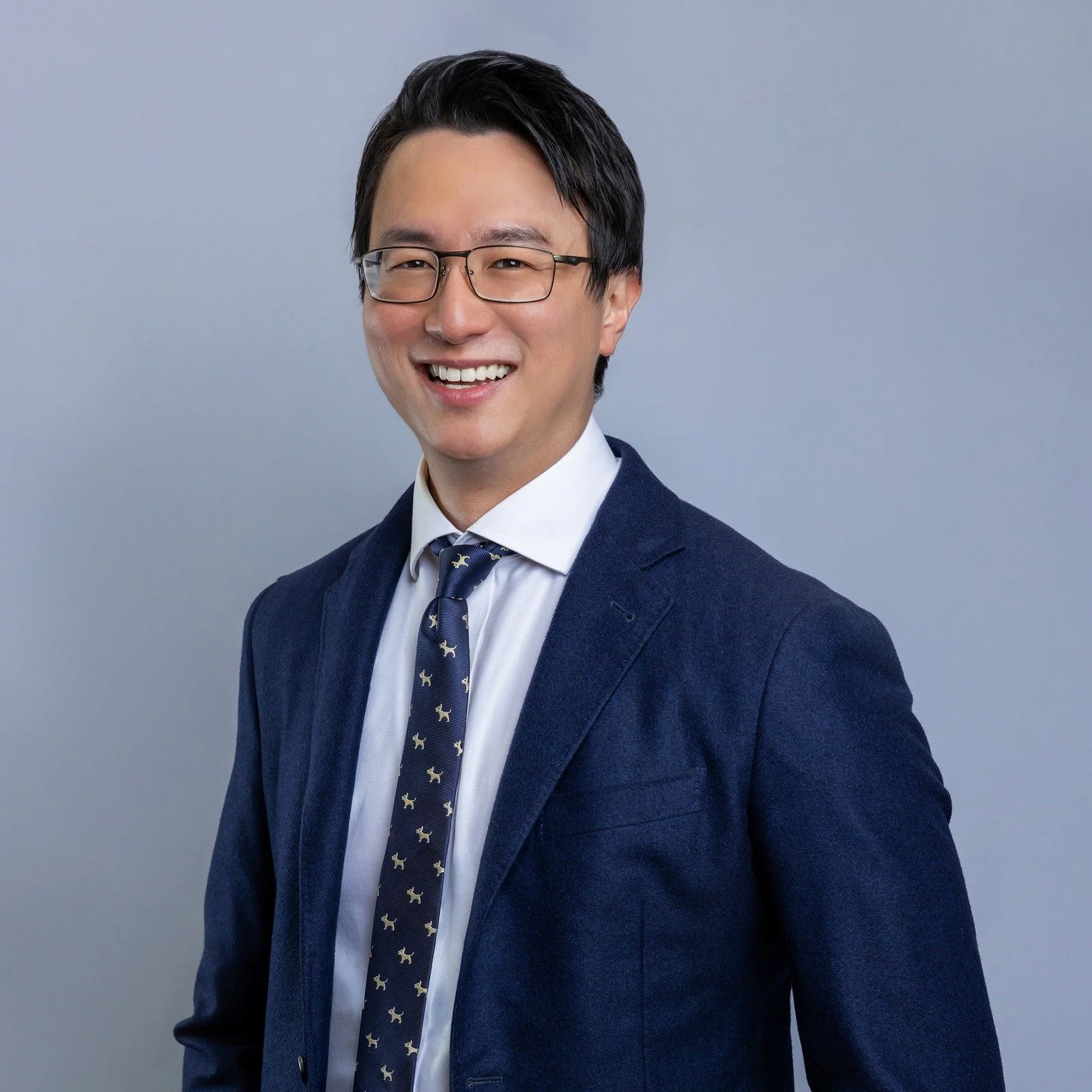
Dr Marcus Tan Chun Jin
Ophthalmologist & Glaucoma Surgeon
Director of Glaucoma Services, Eagle Eye Centre
Adj Assistant Professor, National University of Singapore
Secretary, Glaucoma Association of Singapore
Former Assistant Group Chief Technology Officer, NUHS
Fellowship-trained in glaucoma (lasers, MIGS, trabeculectomies and drainage implants) and cataract surgery
-
![]()
NUHS Young Clinician Mentor Award (2017, 2018)
NUS Teaching Enhancement Grant (2022)
NUS Medicine Junior Doctor Teaching Award (2017, 2018, 2019, 2020)
-
![Icon of three people with a gear above them, inside a badge-like border.]()
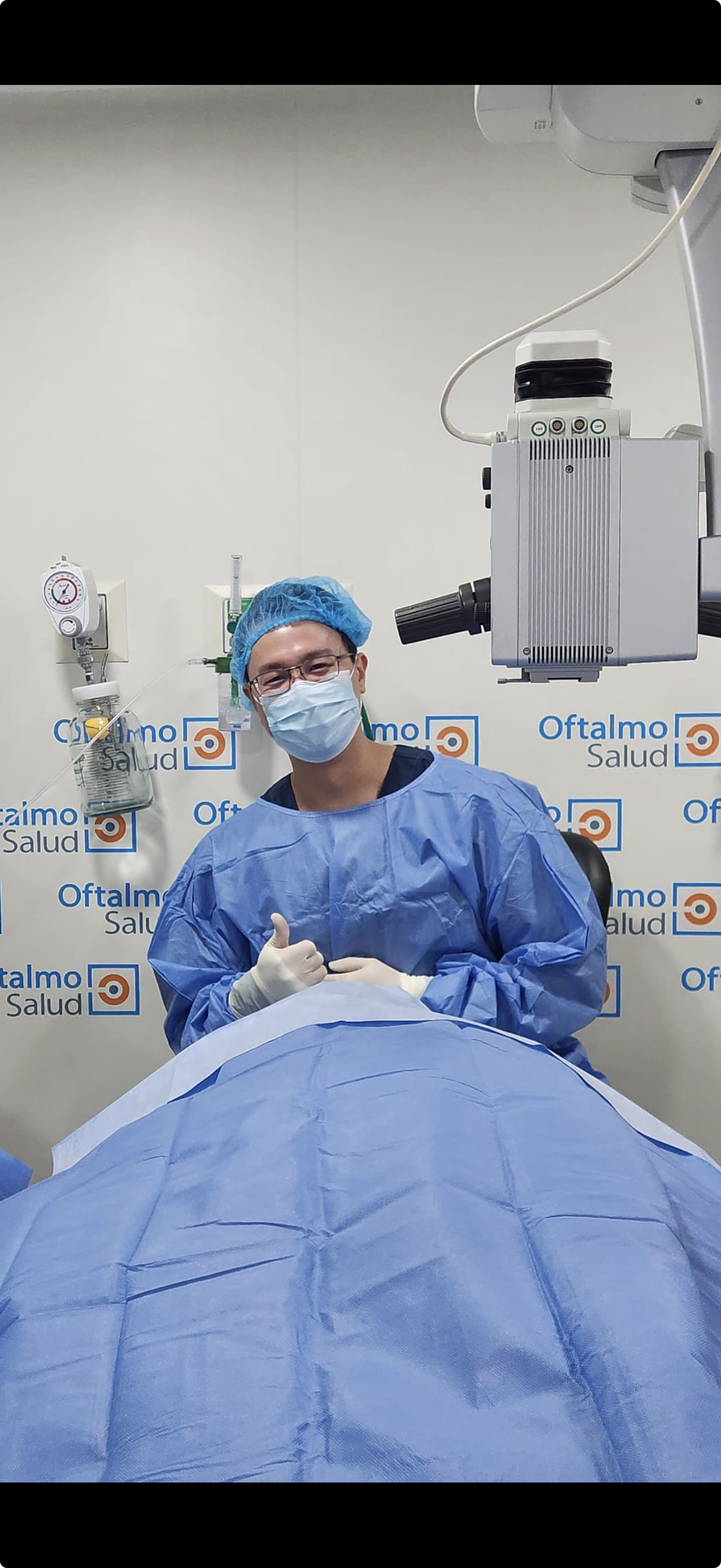
First surgeon to implant a novel transequatorial drainage device in Latin America


About Dr Tan
Key clinical focus
Glaucoma: diagnosis and monitoring, eye drops, laser treatment, minimally invasive glaucoma surgery (MIGS), trabeculectomy, glaucoma drainage implants, and complex or secondary glaucoma.
Cataract: phacoemulsification and femtosecond laser-assisted surgery, with toric, multifocal and extended depth of focus lens options.
Laser vision correction: LASIK, SMILE, PRK and implantable collamer lenses (ICL).
Diabetic eye disease, dry eye, and comprehensive eye examinations.
Dr Marcus Tan Chun Jin is a Senior Consultant Ophthalmologist and Director of Glaucoma Services at Eagle Eye Centre. He subspecialises in glaucoma and also provides cataract surgery, laser vision correction, and care for general eye conditions such as myopia, diabetic eye disease and age related macular degeneration.
He graduated from the National University of Singapore and completed his ophthalmology residency at the National University Health System, obtaining the Master of Medicine in Ophthalmology in 2017 and specialist accreditation in 2019.
He is a Fellow of the Royal College of Ophthalmologists (UK) and a Fellow of the Academy of Medicine Singapore. He completed his glaucoma fellowship under Professor Paul Chew, inventor of the Paul Glaucoma Implant and the Micropulse laser, with observerships under Prof David Friedman (Harvard Medical School), Prof Robert Chang (Byers Eye Institute, Stanford University) and Prof Joseph Panarelli (NYU Langone Health).
As a glaucoma subspecialist, Dr Tan performs the full range of glaucoma management, including laser treatment for eye pressure control, minimally invasive glaucoma surgery (MIGS), angle-based surgery (goniotomy, goniosynechialysis), trabeculectomy, and the implantation of glaucoma drainage devices. He was the lead principal investigator of the first-in-man clinical trial of the Uni®20 Glaucoma Implant, a novel trans-equatorial drainage device, and was the first team in the world to implant it. He has published the two- and three-year outcomes of the Paul Glaucoma Implant and has authored more than twenty peer-reviewed publications and three book chapters.
Dr Tan also manages patients with cataract, performing phacoemulsification and femtosecond laser-assisted cataract surgery with premium intraocular lens implants (toric, multifocal, and extended depth-of-field lenses) for the correction of astigmatism and presbyopia. Alongside surgical care, he looks after a broad spectrum of medical eye conditions including diabetic retinopathy, age-related macular degeneration, dry eye, and routine comprehensive eye checks.
Dr Tan has held senior appointments in both clinical practice and healthcare leadership. He served as Assistant Group Chief Technology Officer of the National University Health System (NUHS), where he led digital health and technology innovation across the group. He is Adjunct Assistant Professor at the NUS Yong Loo Lin School of Medicine and Clinical Lecturer at the Lee Kong Chian School of Medicine, has received multiple teaching awards, and has secured research grant funding in excess of half a million dollars.
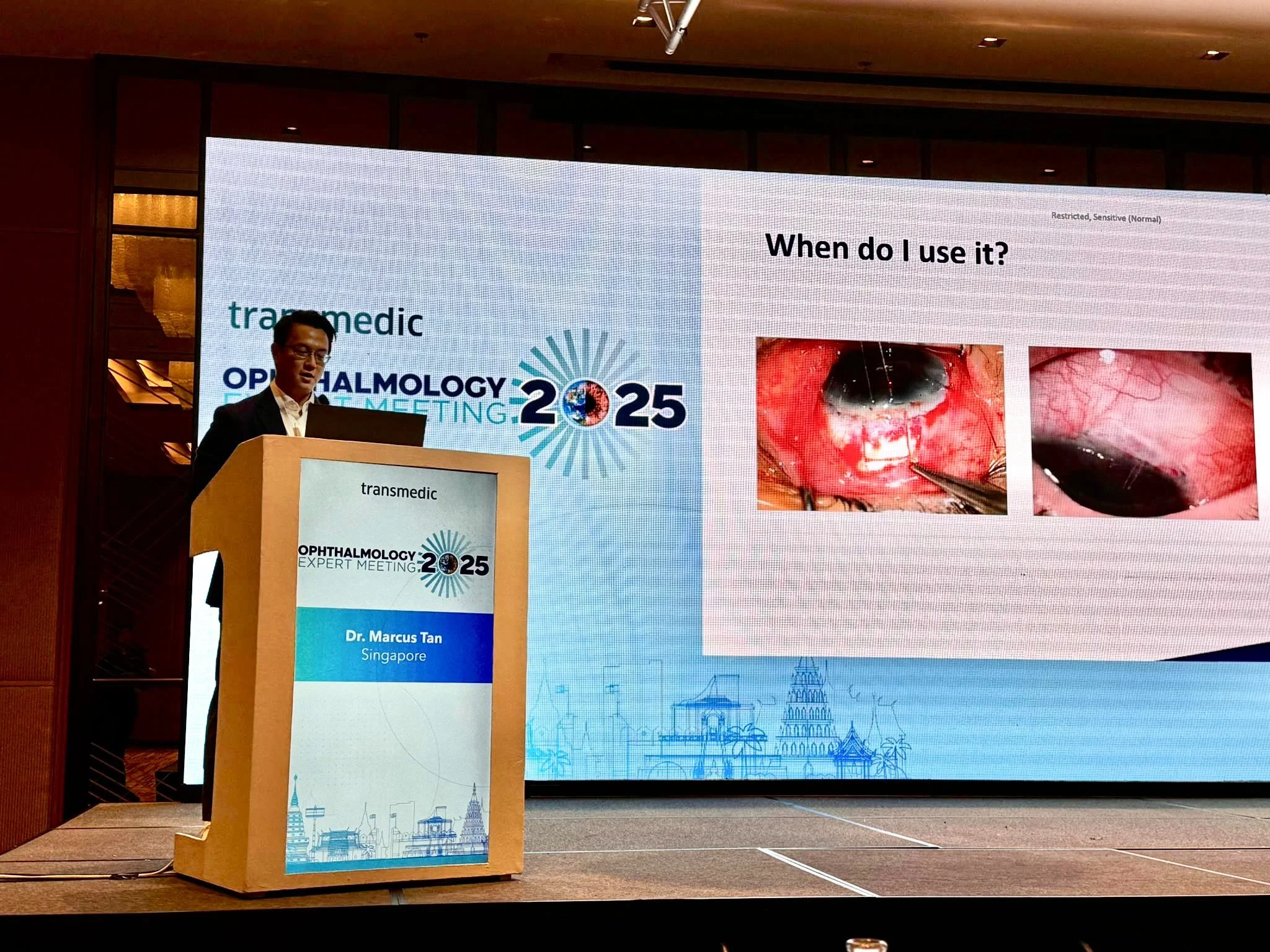
He is Secretary of the Glaucoma Association of Singapore and serves as an advisory panel member and invited speaker for leading ophthalmic companies including Alcon, Glaukos, Santen, Topcon, Transmedic, AOI and DKSH. He has also presented at local and international ophthalmology conferences, and serves as a peer reviewer for several international ophthalmology journals.
Dr Tan believes in compassionate, individualised care. He takes time to listen, explains each diagnosis and treatment option clearly, and tailors care to each patient's needs and circumstances, so that patients feel at ease and involved in decisions about their eye care.
Awards
NUH Incredible Care Service Champion Award
NUH Learning Development Award (Individual)
NUS Teaching Enhancement Grant
NUS Medicine Junior Doctor Teaching Award
NUH-NHIC Joint MedTech Grant
Summit Programme in Innovation Award
NUHS Young Clinician Mentor Award
Department of Ophthalmology Research Symposium Winner
Best Oral Presentation, NUHS Clinician Scientist Program (Residency)
NUHS Clinician Scientist Program (Residency Grant)
Best Innovative Research Idea Award, Ophthalmology Research Day, NUHS
Lee Foundation Award
What Dr Tan treats
Glaucoma
Raised eye pressure or optic nerve damage that can affect sight without symptoms in its early stages. Care includes regular monitoring, eye drops and laser treatment. Surgical options such as minimally invasive glaucoma surgery, trabeculectomy or drainage implants are chosen to suit the type and stage of glaucoma.
Myopia
Short-sightedness, from routine assessment and prescribing to the review of high myopia and its effects on the eye.
Cataract
Clouding of the natural lens, treated by removing the lens and replacing it with an artificial one. Standard and femtosecond laser-assisted surgery, with a choice of lens types.
Laser vision correction
LASIK, SMILE, PRK and ICL for people who want to reduce their dependence on glasses or contact lenses, following a suitability assessment.
Retinal disease
Screening and management of diabetes, age related macular degeneration and other conditions of the retina.
Dry eye
Assessment and treatment of dry, irritated or inflamed eyes and eyelids, including long term care for ongoing symptoms.
FAQ
-
Dr Tan subspecialises in glaucoma, including its medical, laser and surgical treatment. He also performs cataract surgery and laser vision correction, and sees patients with diabetic eye disease, dry eye and general eye problems.
-
At Eagle Eye Centre clinics at King Albert Park, HMI Medical Centre (Farrer Park), Mount Elizabeth Novena, Parkway East, Mount Alvernia and Ang Mo Kio.
-
Yes. Dr Tan is an accredited ophthalmologist who completed subspecialty fellowship training in glaucoma at the National University Health System and is Director of Glaucoma Services at Eagle Eye Centre.
-
Book online through Eagle Eye Centre, or call the appointment line on +65 6456 1000.
-
Yes, through Eagle Eye Centre's insurance panels, and Medisave and MediShield Life can be used where the treatment qualifies. Please check your policy before your visit. You are also welcome to check with our clinic by calling +65 6456 1000.
-
Your glasses or contact lens prescription, a list of your medicines, any previous eye reports or scans, and your identification and insurance details. Arrange transport home if your pupils may be dilated.